
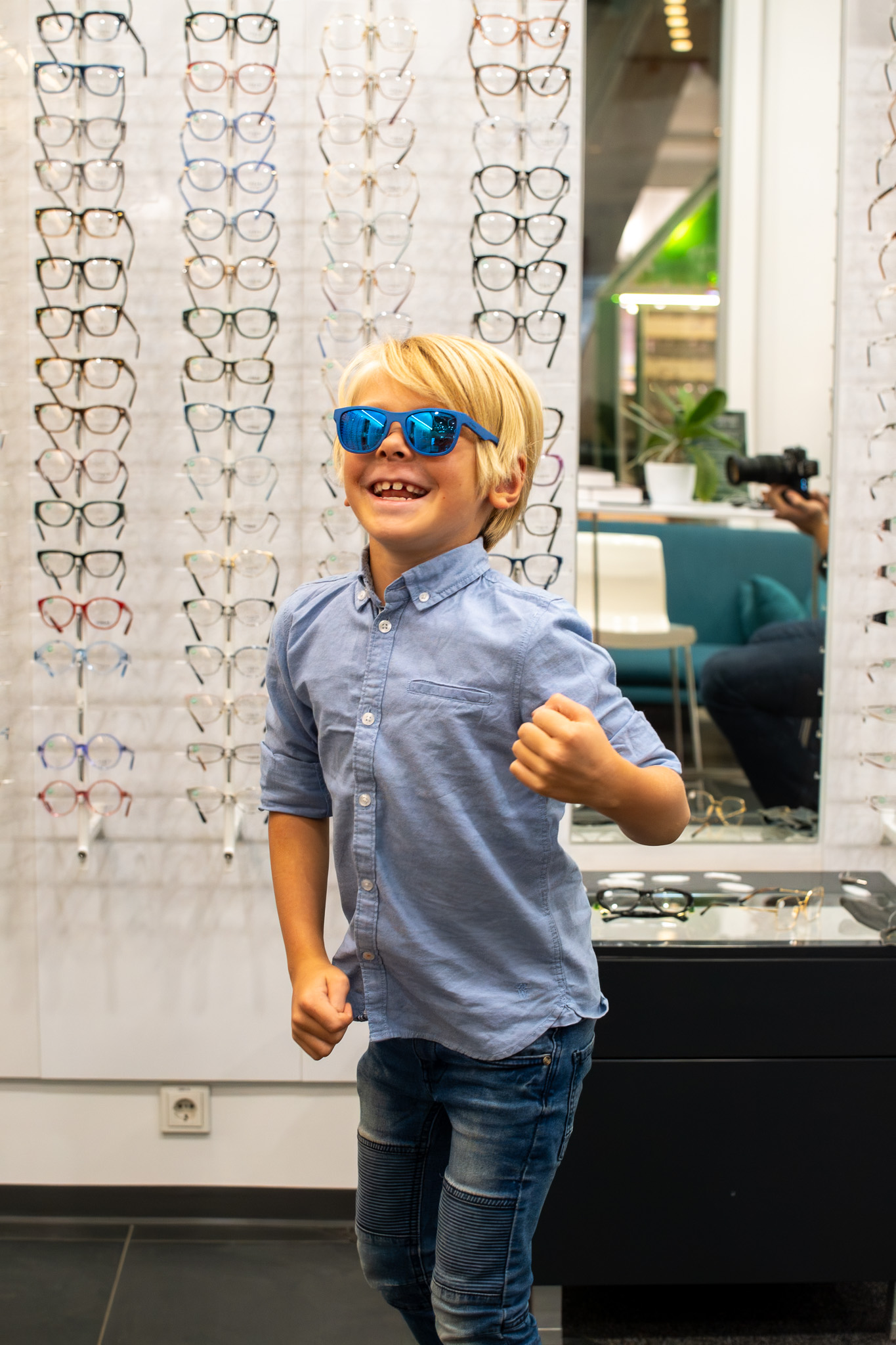
1. Let your child choose their own glasses
When a child can have a say in choosing their frames and pick the ones they truly like, it creates a positive relationship with their glasses. Many parents have shared that when a child finds “the right ones,” their attitude changes – their eyes light up, and the glasses no longer feel like a chore but something to be proud of.
Involving the child gives them the feeling that the decision is their own, not something imposed by an adult. This is especially important because glasses are a very personal item for a child – they’re always with them and visible. Being part of the choice allows the child to feel joy already in the store, looking in the mirror and happily saying, “Look, these are my glasses!”
2. Comfort Matters as Much as Style
When it comes to glasses, it’s not just about how cool they look—comfort is just as important. If the frame pinches, slides down the nose, or hurts behind the ears, it’s very likely that your child won’t want to wear them.
This is where the optometrist and optician play a key role. They can assess whether the frame width, nose bridge, and temple length suit your child’s face, ensuring the glasses are comfortable all day long. Since children grow quickly, it’s also a good idea to check the fit from time to time and make adjustments as needed—this way the glasses stay comfortable, and your child will wear them willingly.
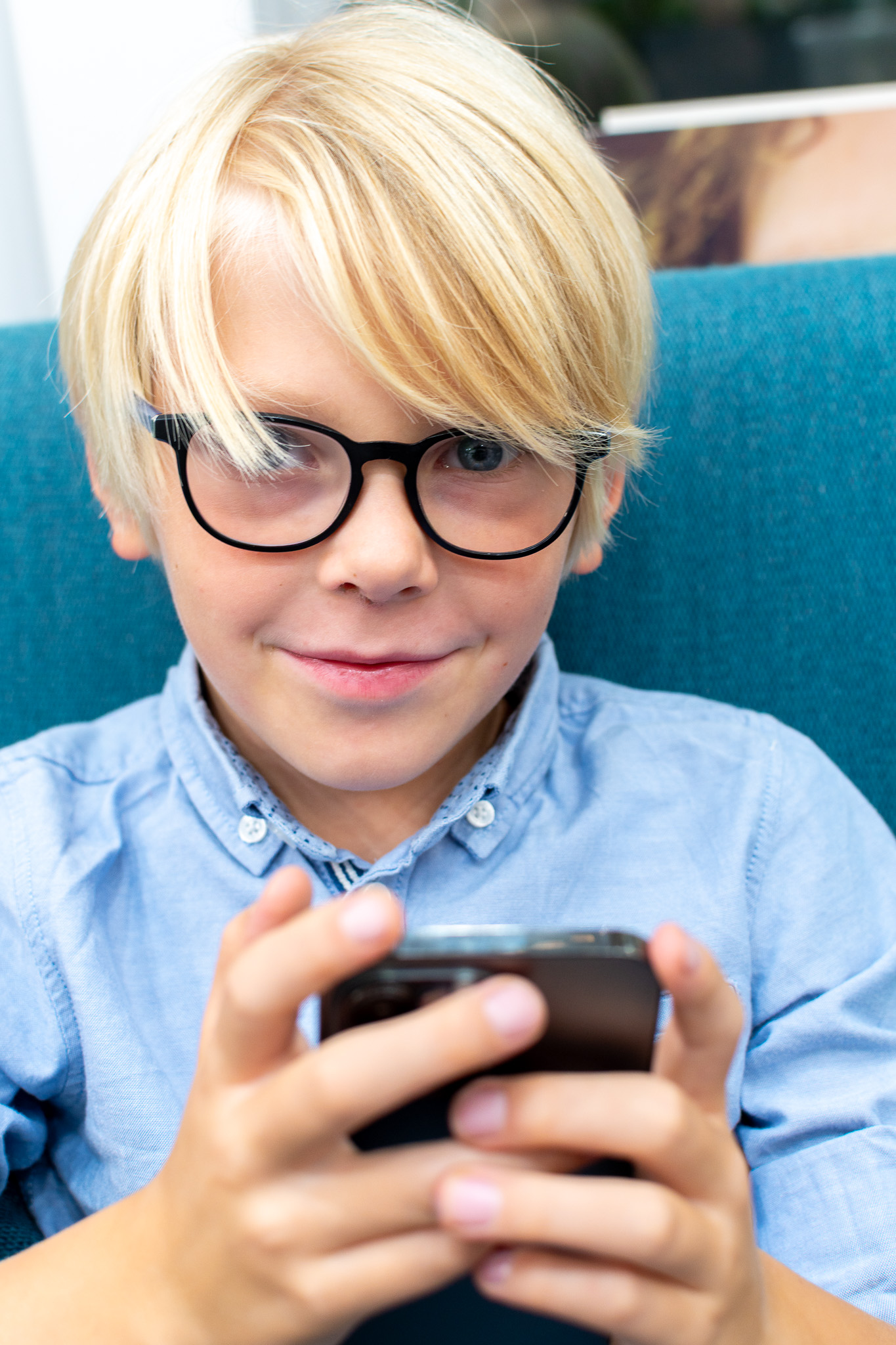
3. Teach your child how to clean their glasses properly
Children often touch their lenses with their fingers – this is completely natural. However, this leaves fingerprints on the lenses, makes the view blurry, and can cause the child to take off their glasses.
Calmly explain to your child why cleaning glasses is important, and show them step by step how to do it correctly. The best way is to use a special cleaning spray and a microfiber cloth. Avoid wiping glasses with shirt sleeves, paper towels, or tissues, as these can scratch the lenses.
If a child learns early on to care for their glasses properly, it fosters responsibility and careful habits. This helps keep the glasses in good condition for longer and makes wearing them every day more comfortable.
4. Talk to Your Child About Caring for Glasses
Glasses are used every day, and if they’re carelessly left in a bag, on a table, or among toys, they can break quite easily. That’s why it’s important to calmly explain to your child how to take care of their glasses and where to store them safely.
Teach your child to always put the glasses in their case when not wearing them, place them on a table with the lenses facing up, and avoid leaving them under a pillow, on the floor, or in places where someone might accidentally step on them.
When a child understands why careful handling is important, they develop a greater sense of responsibility. Glasses last longer, and the risk of breakage is significantly reduced.

5. Be supportive and listen to your child’s concerns
Getting used to glasses isn’t just a practical process; it’s often an emotional journey as well. At first, a child might feel that others are looking at them differently or may worry about classmates’ comments. These feelings are completely normal and deserve calm and understanding attention from a parent.
Talk openly with your child, listen to their thoughts and feelings, and give them time to adjust. Reassure them that glasses are not something to be ashamed of, but a tool that helps them see better, learn, play, and manage daily life more comfortably.
The most important thing is for the child to feel understood and not alone with their concerns. When a child knows their parents are on their side, adjusting to wearing glasses becomes much safer and boosts confidence.
6. Help Establish a Wearing Habit
For glasses to become a regular part of a child’s life, they need to be integrated into their daily routine. At first, this may require some conscious guidance and routine-setting. A good approach is to set specific “glasses times” together with your child – for example, during studying, screen use, or outdoor play.
Once wearing glasses becomes part of the daily routine, the child gradually adapts naturally and almost without noticing. Soon, you may find that your child puts the glasses on by themselves, recognizing that the world is clearer, more comfortable, and more secure with them.
Summary
Timely detected and addressed vision problems make a child’s daily life easier, support learning, and bring back clarity and confidence to their eyes. The most important thing is that the child doesn’t face these challenges alone – you can be their biggest support and encourager.
Together with your child, you can explore eyeglass frame options in our online store, but the most reliable solution always comes from a visit to an optometrist. If you have questions about vision, choosing frames, or caring for glasses, feel free to visit your nearest Pere Optika store. We are always ready to help you and your family throughout the journey to clear vision.