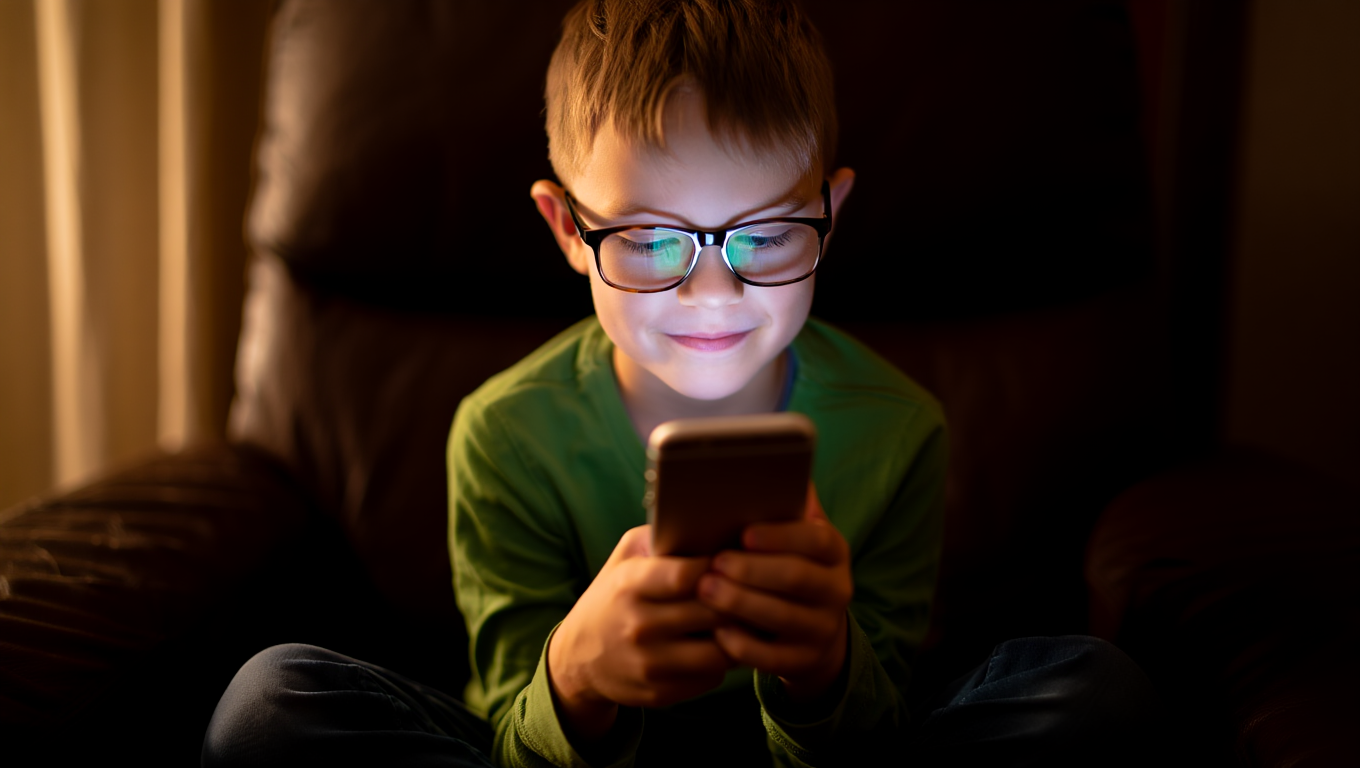
Children’s Eyes and Digital Devices: How Much Is Too Much?
In recent years, I’ve noticed that more and more children are coming in for eye exams with problems related to excessive use of digital devices. The use of screens has become an inseparable part of our daily lives. TikTok’s notorious popularity has made the situation even more challenging, with children often spending over 5 hours a day on it. Many parents may not even suspect that their children are spending too much time in front of screens—until problems start to appear.
The Impact of Digital Devices on Children’s Eyes
Excessive use of digital devices is linked to various eye problems, ranging from nearsightedness to eye strain and difficulty concentrating. For example, a 9-year-old boy came in for an eye exam who spent several hours each day playing on his smartphone. He complained of frequent headaches and dry eyes. Unfortunately, such complaints are becoming increasingly common as children spend more and more time in front of screens.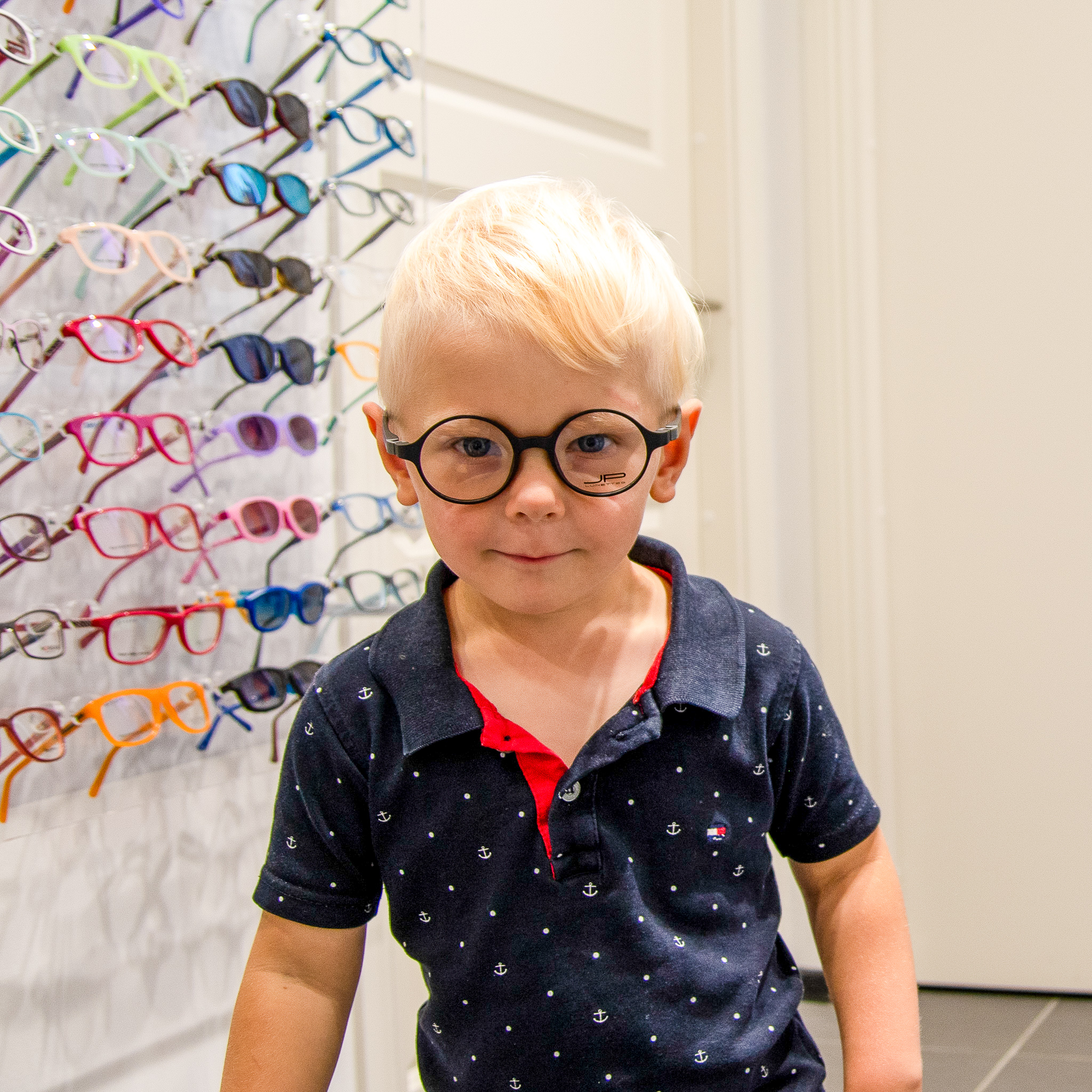
In recent years, the prevalence of myopia among children has increased significantly. Young eyes are particularly sensitive to prolonged close-up focus, which means that extended screen time can contribute to vision problems. Myopia often develops when the eyes become accustomed to focusing only on nearby objects and can no longer see distant objects clearly, largely because screens are typically viewed from very close distances.
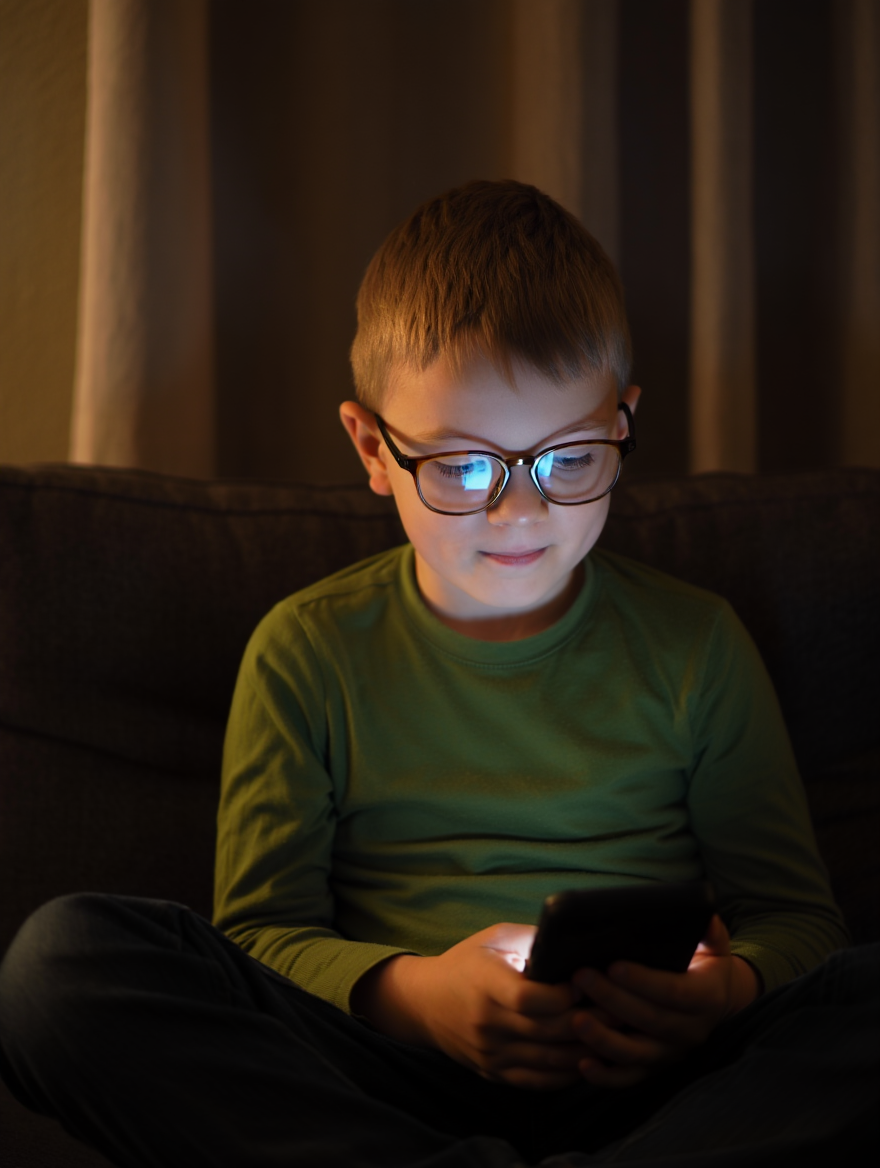
Another common issue is eye fatigue, also known as digital eye strain. Prolonged focus on screens can cause symptoms such as dry eyes, blurred vision, and tired eyes. Many parents have said that they never suspected that their child’s eye problems could be caused by digital devices.
Signs Indicating a Problem
There are several signs that parents can use to identify potential eye-related issues in their child. Here are some key symptoms to watch for:
- Headaches: Frequent complaints of headaches may indicate eye strain.
- Squinting: If a child constantly squints or holds the screen very close to their eyes, it could suggest vision problems.
- Dry eyes: Dryness and discomfort may be a sign that the child is spending too much time in front of screens.
- Distractibility: Difficulty concentrating can be linked to eye fatigue or vision issues.
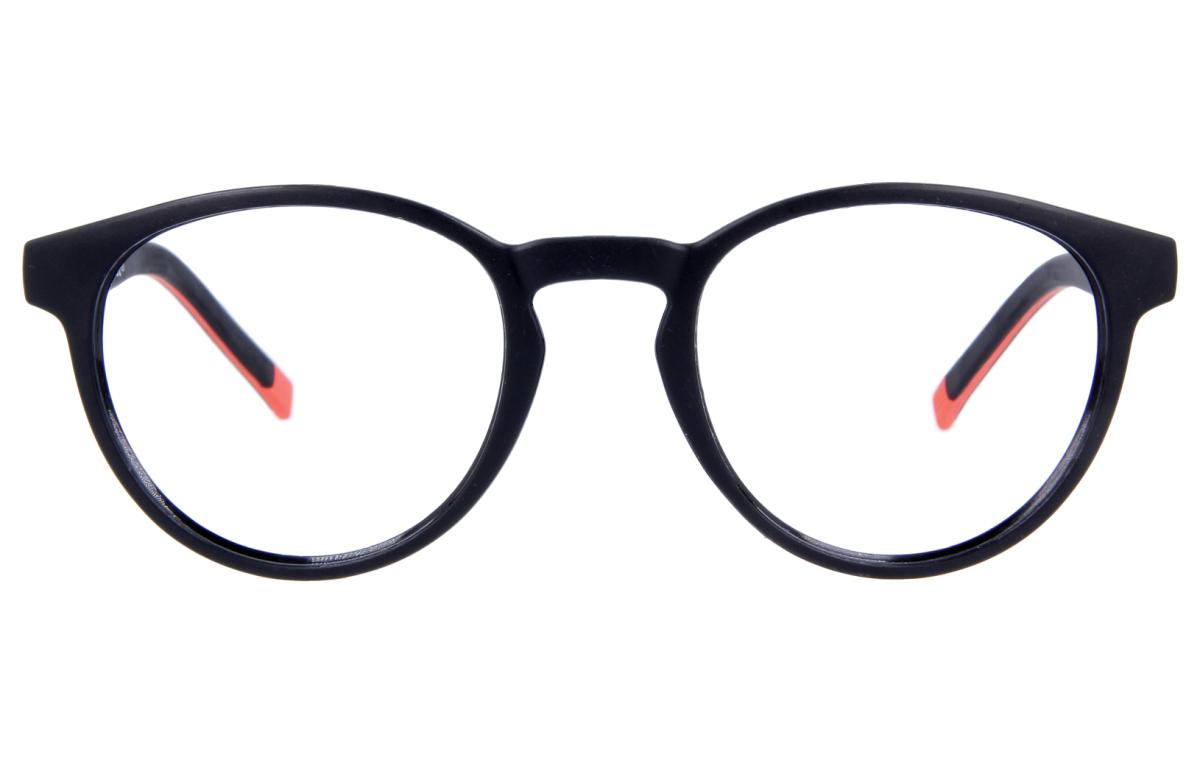
Fun Eyeglass Frames for Children:
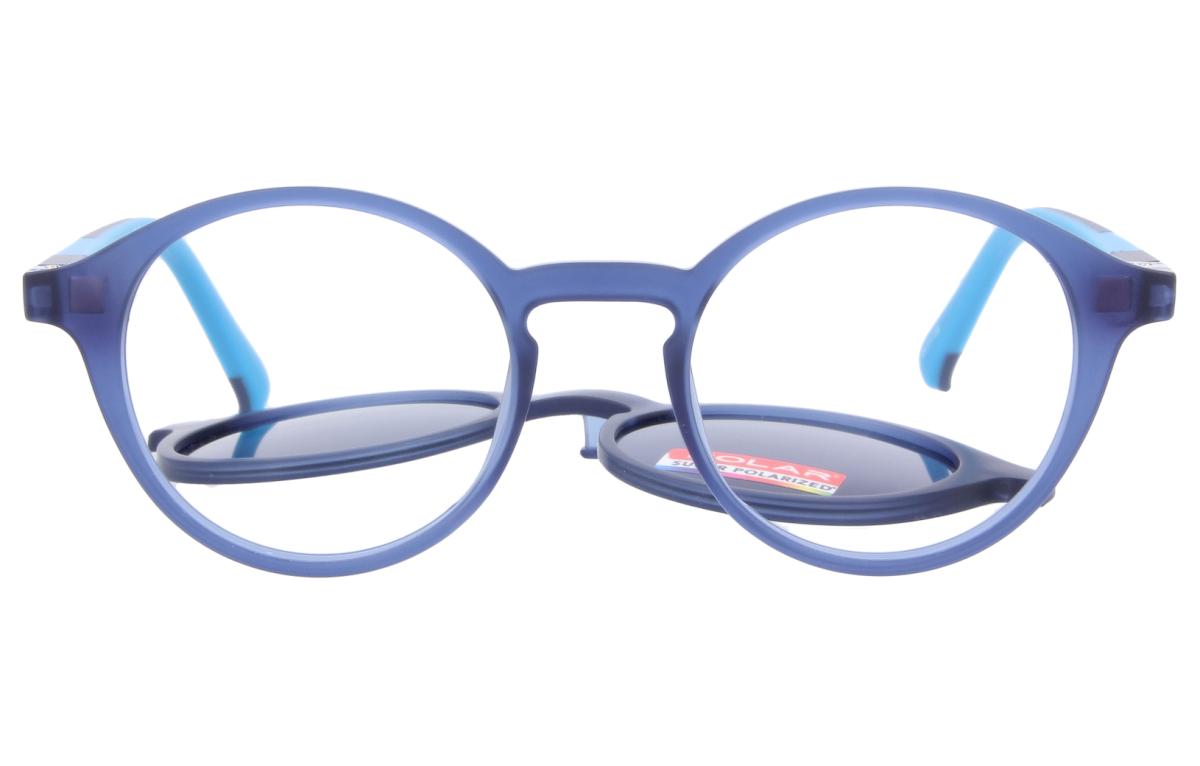
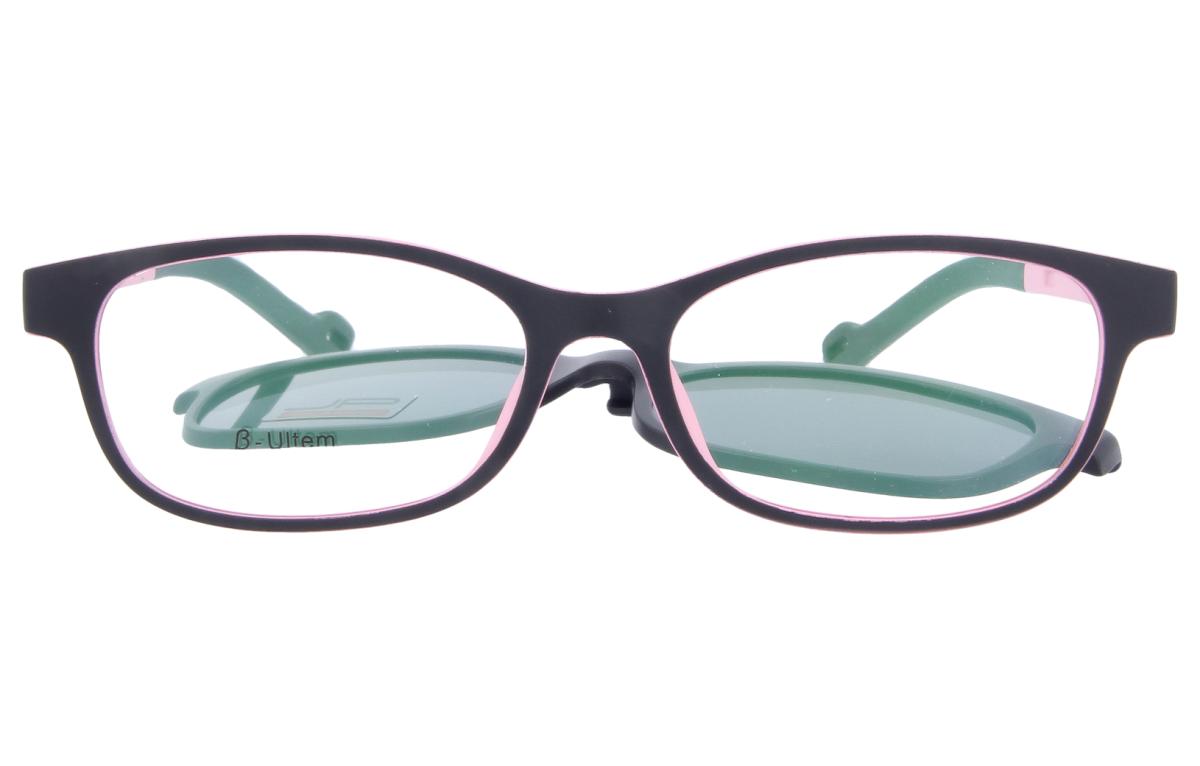
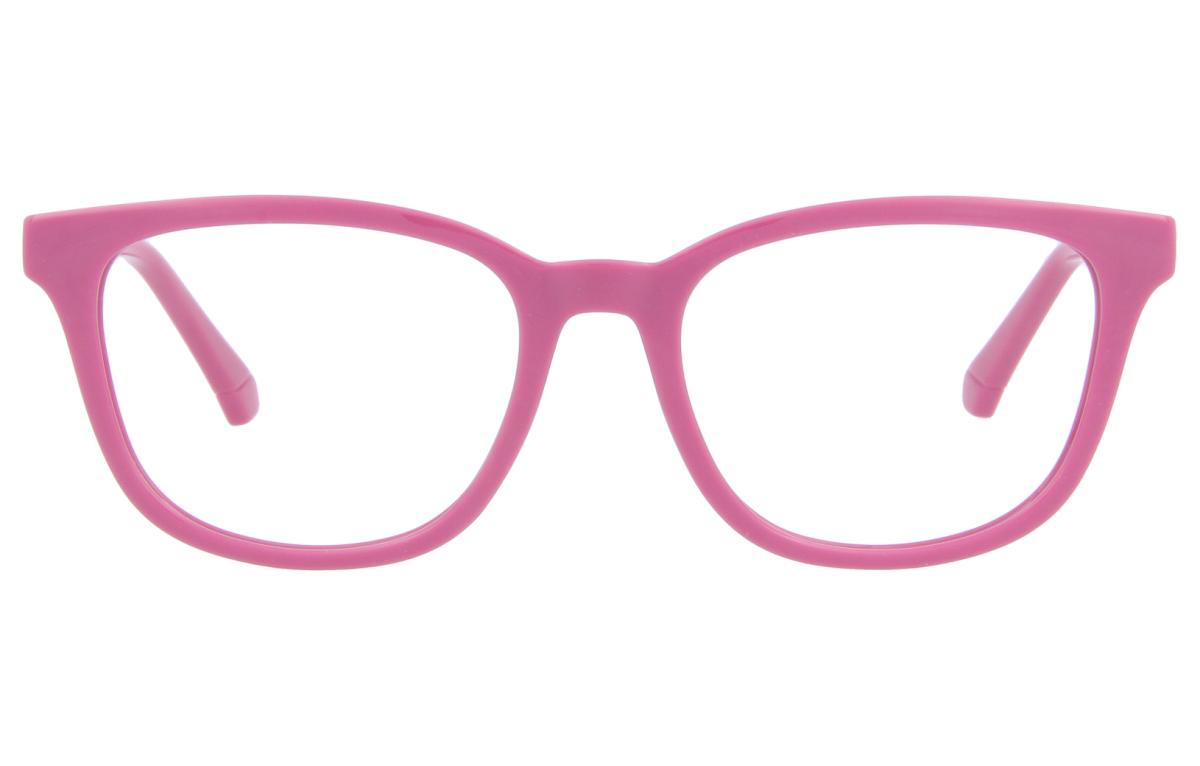
Practical Advice for Parents
So how can you help your child manage screen time and protect their eye health? Here are some practical recommendations:
.jpeg)
Set limits for your child’s screen use. For preschoolers, screen time should not exceed 30 minutes per day, while school-aged children should have no more than two hours per day.
Encourage children to take breaks from screens every 20 minutes. They can look into the distance for at least 20 seconds. It is also important that children spend enough time outdoors and engage in physically active activities.
Establish screen-free periods at home, where the whole family engages in other activities like reading, playing, or spending time outside. This helps children develop social skills and reduces overall screen use.
Ensure that your child uses devices with proper posture. Sitting upright and keeping the screen at eye level helps reduce eye strain.
The solution isn’t always glasses
Many parents assume that if their child has eye-related complaints, glasses are automatically the solution. In reality, this isn’t always the case. Often, it’s enough to adjust some everyday habits. I definitely recommend limiting screen time, teaching your child how to use digital devices safely for their eyes, and encouraging them to spend more time outdoors or just moving around. Children’s eyes need variety, rest, and natural light – all of which are important for healthy visual development.
Summary
If you notice that your child is experiencing eye dryness, headaches, or difficulty concentrating, it’s important to pay attention. Glasses may not be the only or first solution, but a regular eye exam helps provide a clearer picture of whether their vision is fine or needs correction. The earlier potential problems are detected, the easier they are to prevent or alleviate. Therefore, it’s wise to book an appointment and bring your child for an eye exam to ensure their eyes are well cared for.