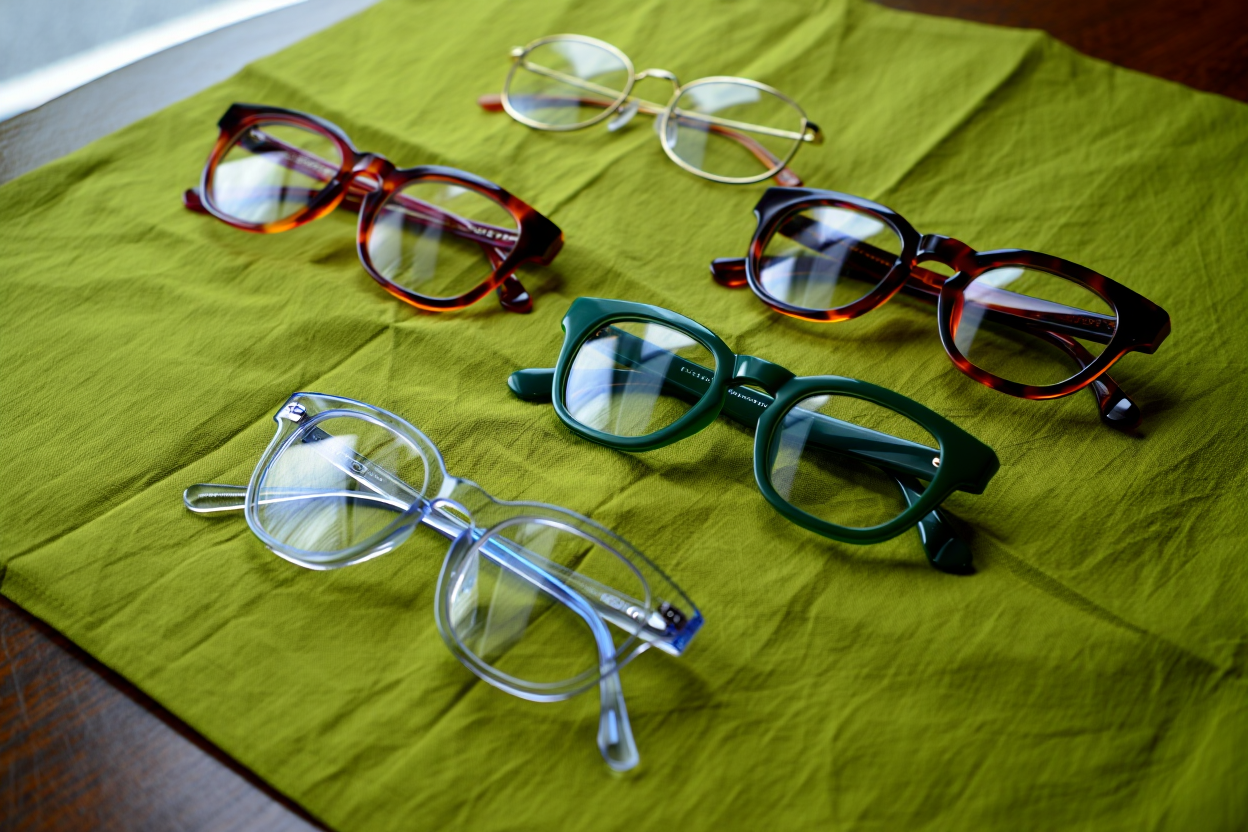
How to choose glasses that support your vision in every situation
Choosing glasses shouldn’t be based solely on appearance. Poorly chosen glasses can cause headaches, eye fatigue, and even temporarily worsen your vision.
Imagine a moment when you look out the window and the world, which normally appears clear and colorful, suddenly looks blurry. Text becomes hard to read, spots dance before your eyes, and nearby faces appear fuzzy. Ill-fitting glasses act like the wrong filter in front of your eyes, preventing you from seeing the world clearly.
So how can you spot vision problems in time, and what should you consider when choosing the right glasses for yourself?
Types of Lenses

Single-Vision Lenses
Single-vision lenses are the most common type of lenses, with a uniform optical strength across the entire lens. They are designed to correct a single vision problem, such as farsightedness (hyperopia) or nearsightedness (myopia).
Example: If you see clearly up close but distant objects appear blurry, a single-vision lens designed to correct myopia can help bring distant objects into clear focus.
Bifocal Lenses
If you need help seeing both near and far objects, bifocal lenses might be the right choice. These lenses provide two different optical strengths in one lens. They have separate zones for distance and near vision, allowing you to quickly and comfortably switch focus between different tasks—whether reading a book or watching TV. There are also three-segment lenses with an additional zone for computer use.
Example: If you’re reading a newspaper and then want to watch TV, you don’t need to change glasses—bifocal lenses let you easily switch between different viewing distances.
Progressive (Multifocal) Lenses
Progressive lenses are an advanced version of bifocals, where the optical strength changes gradually across the lens. They provide a smooth transition from distance vision to reading zones, avoiding the distracting lines found in traditional bifocals. You can choose different versions based on your needs, whether for office work, driving, or everyday activities.
Example: If you frequently need to look at multiple distances—such as reading instructions, checking device screens, or navigating stairs—progressive lenses help you shift focus comfortably. Compared to traditional multifocals, progressive lenses allow you to see at different distances more naturally and with less strain.
Signs of Vision Problems
- Blurry vision: If text or objects nearby or far away appear fuzzy, you may need glasses.
- Double vision: This can indicate a more serious problem and definitely requires an optometrist’s check.
- Headaches: Frequent headaches can result from eye strain or an incorrect vision correction.
- Tired eyes: If your eyes tire quickly or feel heavy in the evening, they may be overworked.
- Tingling or itchy eyes: Discomfort, tingling, or itching may indicate dry eyes, allergies, or improperly fitted vision aids.
The Importance of Plus and Minus Lenses When Choosing Frames
- Plus lenses are used for farsightedness (hyperopia) and help you see nearby objects more clearly. These lenses are thicker in the center and thinner at the edges, which means rimless or thin frames may not fit without edge thickening, potentially increasing the cost of the lenses.
- Minus lenses are for nearsightedness (myopia) and help you see distant objects clearly. These lenses are thinner in the center and thicker at the edges. When choosing frames, it’s important to consider the optical strength of the lenses.
Fortunately, you can also choose thinned lenses, which fit a wider variety of frames.
Why is lens thinning useful?
- Aesthetics: Thinned lenses look much better on your face, especially if you need strong prescriptions (over ±3.0D). Thicker lenses can appear bulky and reduce the overall appearance of your glasses.
- Comfort: Thinner lenses are noticeably lighter to wear. Thicker lenses can cause discomfort around the nose and ears, and prolonged use may even result in pain.
- Wider frame options: Thinner lenses allow you to choose slimmer and more modern frames that may not suit thicker lenses, giving you far more options when selecting frames.

Choosing Glasses
When selecting glasses, consider how and where you will primarily use them. For example:
- Computer work: Choose glasses that protect your eyes from blue light and reduce glare. They help prevent eye strain and protect against the long-term effects of screen use.
- Driving: Glasses that enhance contrast and reduce glare are recommended, especially for night driving. They help you spot obstacles faster and make driving safer.
- Sports: For sports, it’s important that glasses are durable and secure. Choose lenses that can withstand intense activity while providing UV protection and scratch-resistant coating.
- Outdoor work: If you spend a lot of time outside, choose glasses that protect against UV rays and withstand various weather conditions. Photochromic lenses are ideal, as they automatically adapt to changing light conditions.
- Reading and crafts: For activities that require close-up focus, such as reading or detailed crafts, select glasses optimized for near vision. They ensure clear sight and comfort during close work.
- Office work: Office glasses should be comfortable for long periods of wear. If you frequently switch focus between screens and documents, progressive or bifocal lenses may be suitable.
- Protective glasses: If your work or hobbies involve materials that could harm your eyes (e.g., metalwork, chemicals, or construction), protective glasses are essential. They are designed to provide maximum protection from dust, debris, and chemical splashes.
Don’t forget style:
Stylish frames aren’t just for social occasions or presentations. Choose glasses that not only improve your vision but also complement your personal style.
Customer Feedback
Kadri, HR Manager, 44
“I kept postponing my eye exam, even though I felt I was straining to read screens and documents. Finally, I booked an appointment at Pere Optika near my home. The exam was thorough and informative, giving me a clear overview of my eye health and vision needs. Thanks to the lenses recommended by the optometrist, my vision is now crystal clear, and everyday computer work is noticeably more comfortable.”