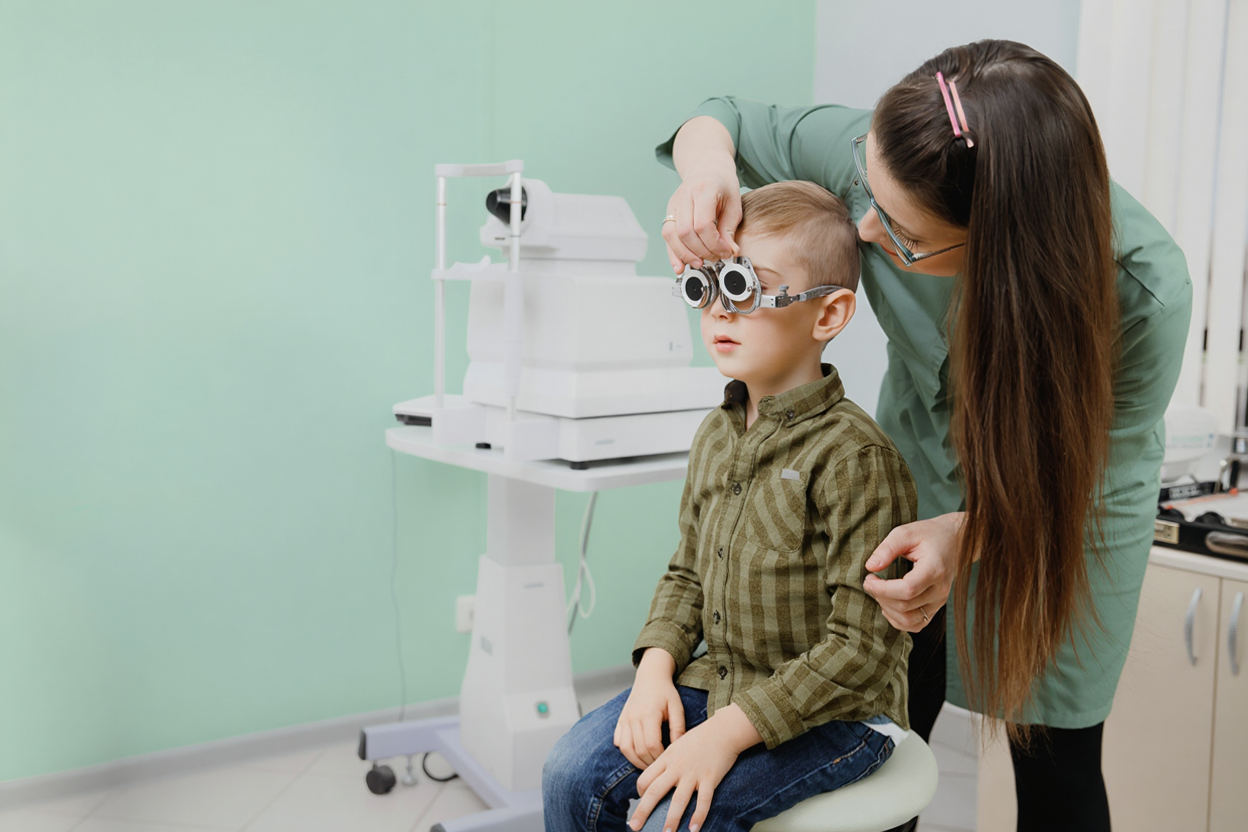
Optometrist or Ophthalmologist – Who to Consult?
Have you ever wondered who to turn to for your vision problems – an optometrist or an ophthalmologist? This is a fairly common question, and honestly, many of our clients have faced the same dilemma. Both specialists work with eyes, but their roles are different. This article will help you understand when and whom to consult to get the best possible care.
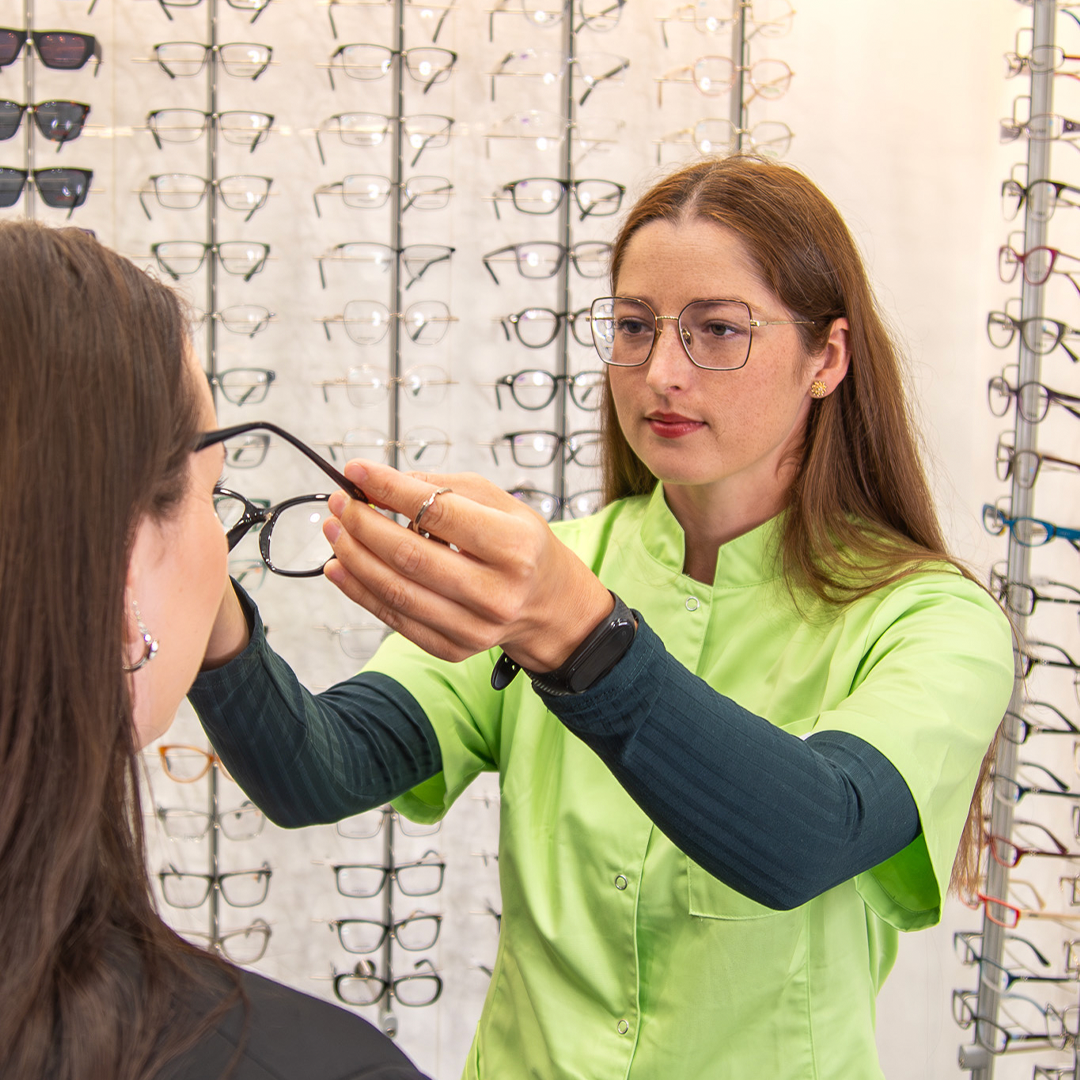
Who is an Optometrist?
Optometrists are healthcare professionals who have graduated from a Health College and received broad training related to eyes and vision. Their main role is to check visual acuity and overall eye health. Optometrists provide a range of services, including:
- Eye examinations: Optometrists assess how well you see and, if needed, prescribe glasses or contact lenses.
- Intraocular pressure measurement: This is important for the early detection of glaucoma.
- Preventive check-ups: Regular eye exams help identify potential issues before they become serious.
On a daily basis, optometrists monitor eye health and correct vision problems, often serving as the first point of contact for identifying eye conditions.

Who is an Ophthalmologist?
An ophthalmologist, also known as a medical eye doctor, is a graduate of medical school with in-depth knowledge of eye diseases and their treatment. Ophthalmologists complete specialized residency training, giving them extensive expertise in diagnosing and managing eye conditions. Their services include:
- Diagnosing diseases: Ophthalmologists diagnose and treat various eye conditions, including cataracts and glaucoma.
- Surgical procedures: They perform eye surgeries when necessary.
- Managing serious conditions: For chronic illnesses, such as diabetes, that can affect eye health, an ophthalmologist is the best choice.
Optometrists and ophthalmologists complement each other, providing different services to ensure optimal eye health.
Who to Consult?
You should see an optometrist in routine situations, such as:
- Regular eye check-ups: It’s recommended to visit an optometrist every two years to monitor eye health. For eyeglass wearers, vision should be checked annually.
- Updating your prescription: If you have an existing prescription but notice your vision worsening, an optometrist is the best choice.
- Symptoms: Gradual vision decline, difficulty seeing near or far, eye fatigue, or mild dryness are all signs to consult an optometrist.
- Sudden vision loss: If your vision suddenly deteriorates, immediate attention is crucial.
- Severe pain or redness: Eye pain or redness may indicate a serious problem that requires professional care.
- Light sensitivity: Sudden photophobia could be a sign of an eye disease.
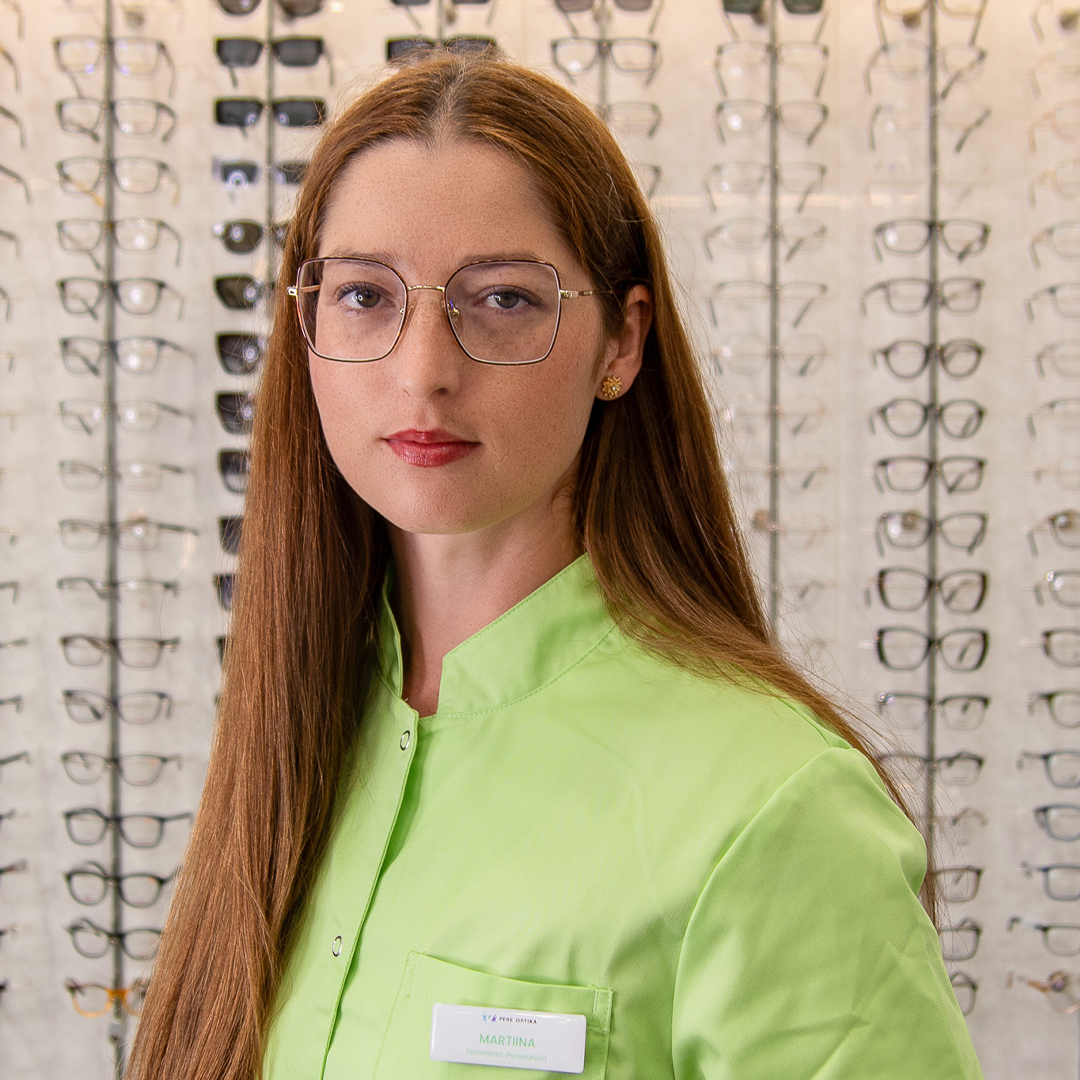
Optometrist’s Recommendation
In most cases, it makes sense to start with an optometrist. The optometrist assesses the condition of your eyes, performs an eye exam, and, if necessary, refers you to an ophthalmologist. It’s important to remember that eye health is very important, and timely intervention can help prevent serious problems.
Summary
In short, a simple rule of thumb applies: for routine check-ups and vision monitoring, an optometrist can help, but for sudden or serious symptoms, you need an ophthalmologist. If you’re unsure where to start, visit our optometrist first for a check-up. Don’t let your vision gradually deteriorate or wait until problems interfere with daily life. Clear vision means seeing your loved ones’ smiles and feeling confident. Book a vision check at Pere Optika.