.jpeg)
Glasses at the Employer’s Expense? Many Don’t Know It’s Their Right
Have you ever wondered why you pay for your glasses yourself, even though you spend five days a week working at a computer? Maybe you’ve noticed your eyes get tired faster but haven’t had time for an eye exam. Or perhaps you think your employer has nothing to do with your glasses. In reality, the situation is quite different from what many think.
If most of your workday is spent in front of a screen, in certain cases you have a completely legal right to receive glasses at your employer’s expense. But when and how does this apply? Do you need a specific vision problem? Are all types of glasses covered? And what role does the health check play?
Let’s take a look at when and why the employer is required to pay for glasses and how you can wisely exercise your rights.
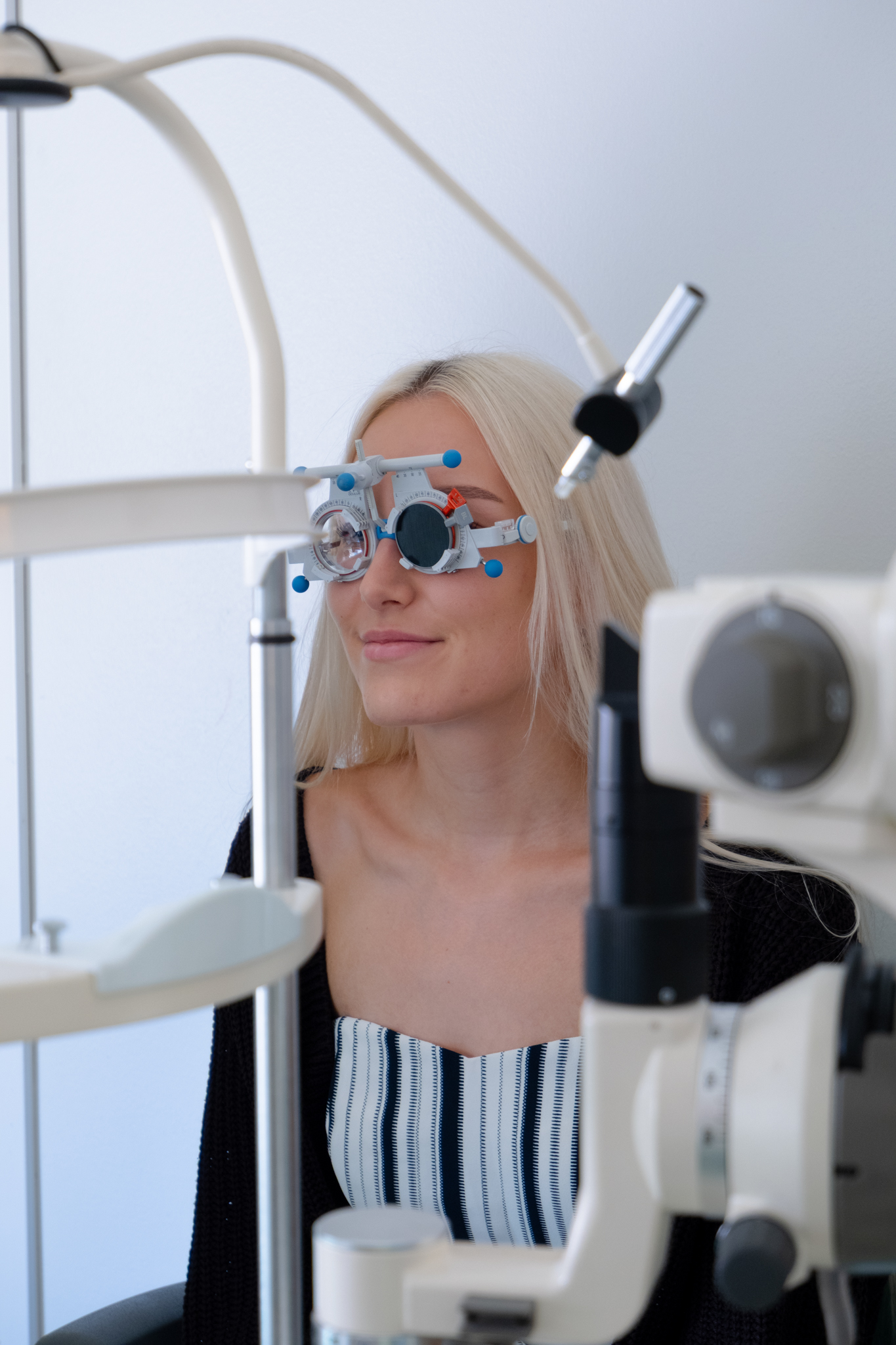
According to the Labour Inspectorate, an employer is obliged to arrange a health check for employees who spend at least half of their working time in front of a screen. This check must take place before starting work and at least once every three years. If the health check reveals that the employee needs glasses for working with a computer, the employer must provide them or reimburse their cost.
Importance of the health check
The purpose of the health check is to prevent eye and musculoskeletal problems that can arise from prolonged screen work. The employer must ensure that the employee receives the necessary examinations and, if needed, glasses so that their work performance is not compromised.
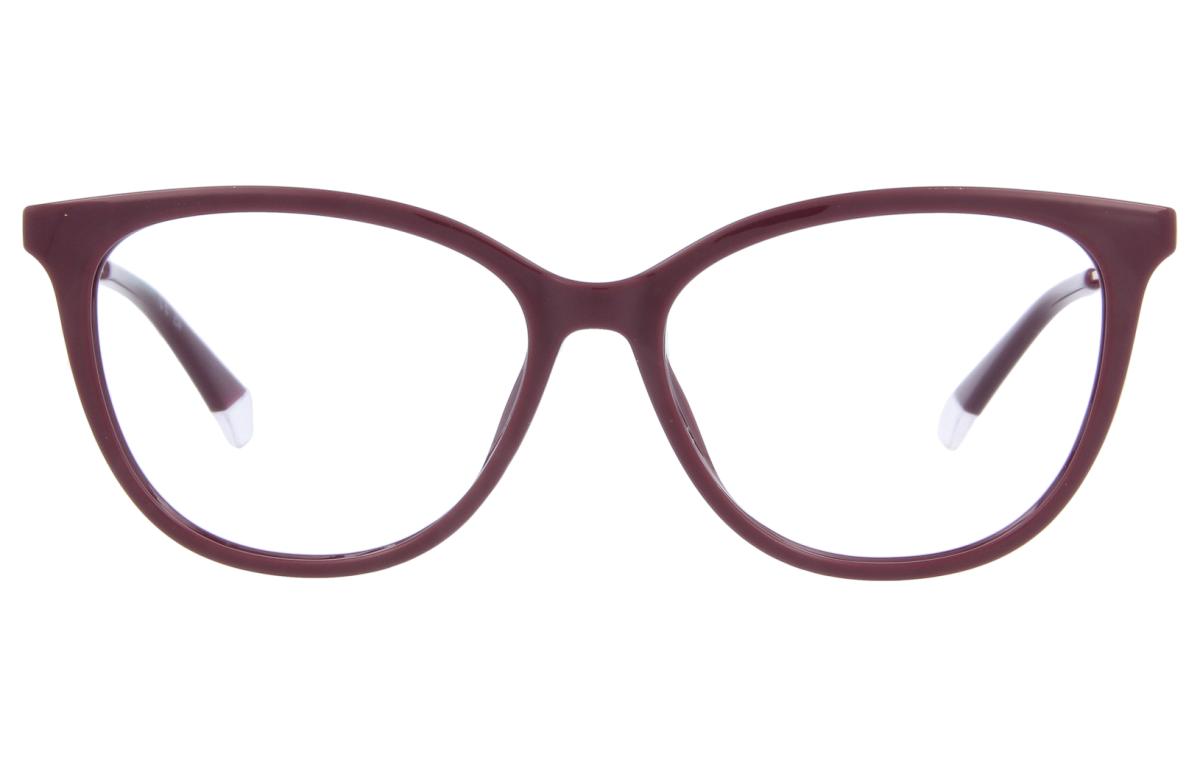
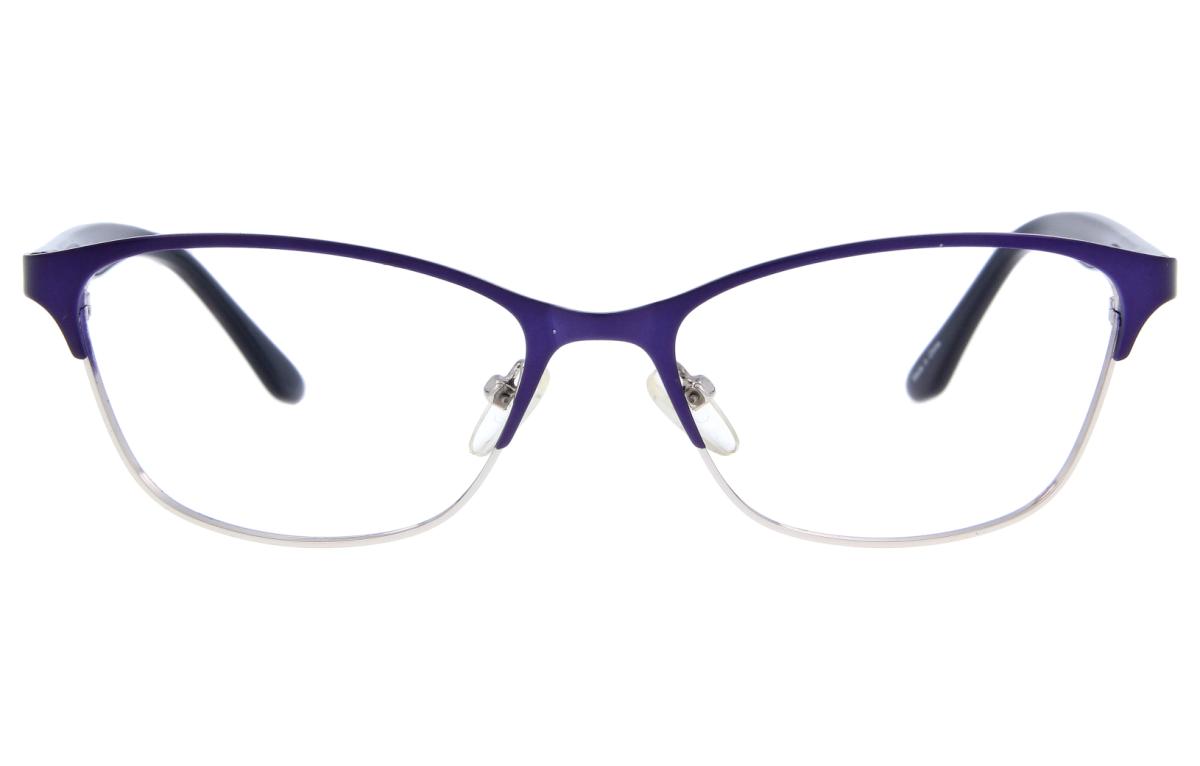
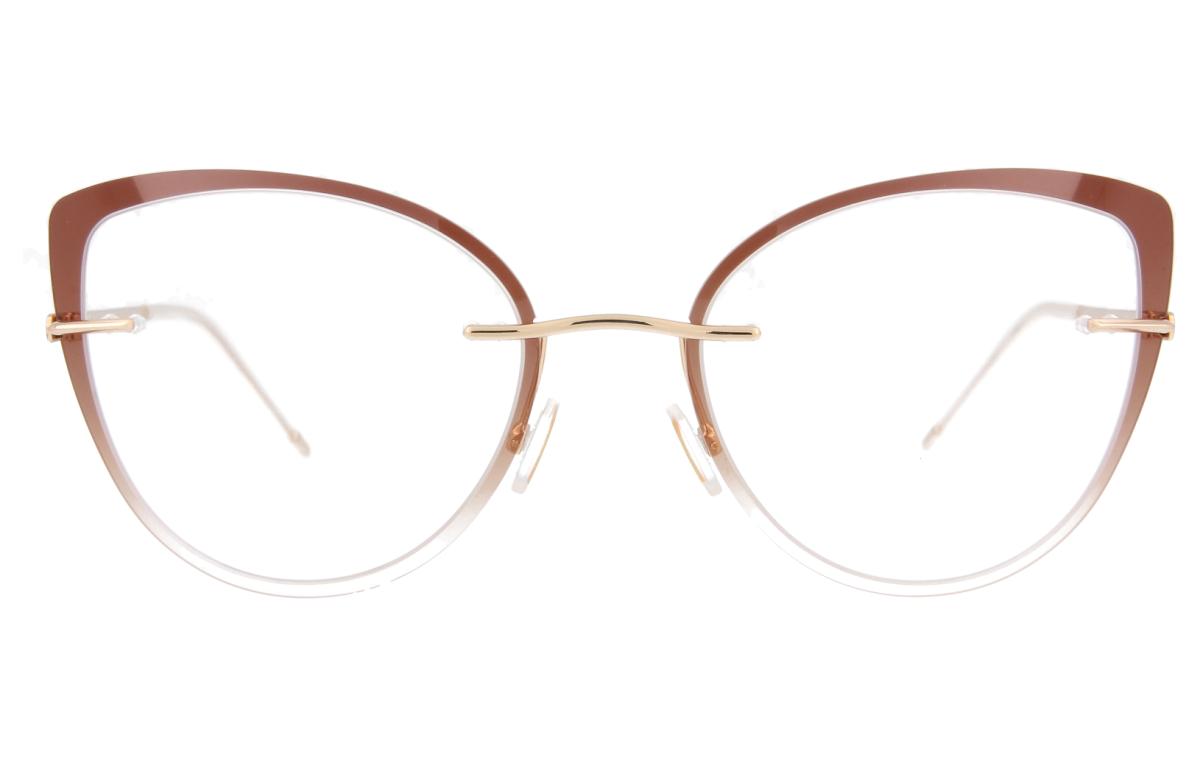
Glasses for Office Work:
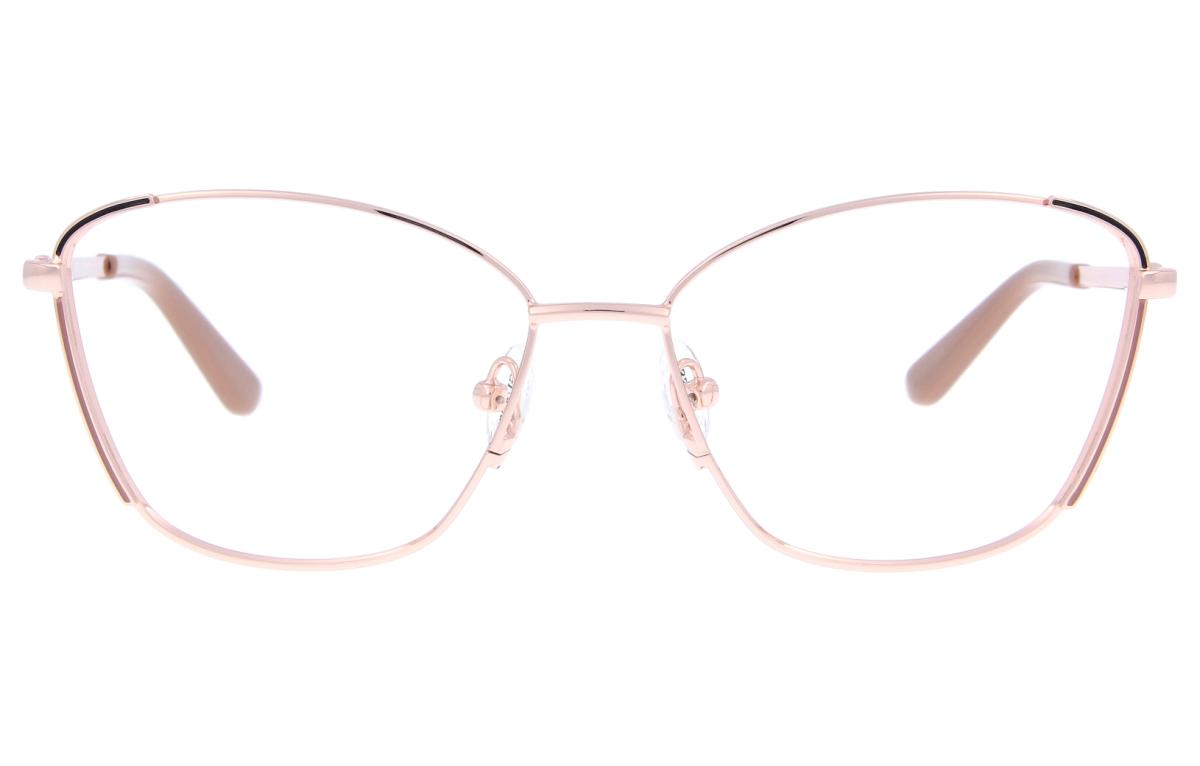
Conditions for Glasses Reimbursement
Employers are not required to cover everyone’s personal glasses, but the situation is different when working with a computer. If an employee spends at least half of their working time at a screen and an occupational health doctor determines during a health check that glasses are necessary for the job, the employer has a legal obligation to provide the glasses.
- The occupational health doctor must assess the employee’s vision and provide a written decision stating that special glasses are required for computer work.
- The exact procedure and scope of reimbursement should be discussed with the employer—for example, the employer may set a fixed amount or designate an optical partner where glasses can be purchased.
- Only glasses that are directly necessary for performing work tasks are reimbursed, not those for everyday use or other purposes.
Some employers go beyond what the law requires.
Although the law obliges employers to reimburse only special glasses prescribed by an occupational health doctor, many companies have chosen to offer broader support to their employees. For example, some employers reimburse glasses even when the work does not specifically require them, sometimes up to 50% of the cost.
In some companies, there is a set annual limit, such as €100 or €150, that can be used for purchasing glasses. Other employers offer discounts through partner programs or allow the use of health insurance or wellness/sports budgets to cover optical expenses.
Therefore, it is always worth checking what options are available with your employer, even if you do not yet have a decision from the occupational health doctor. You might be able to get part of the cost reimbursed or buy glasses at a reduced price.
.jpeg)
One of our clients, office worker Merle (52), recently shared her experience:
“My eyes had been getting tired and blurry by the end of the workday for some time. I thought it was just part of sitting at a computer all day. I had glasses at home, but I didn’t use them at work – I assumed they wouldn’t help. When it was time for the health check, I thought, well, I’ll just go and get it done, check it off the list.”
During the health check, it turned out her vision had changed noticeably, and the doctor told her directly that she needed special glasses for working with a computer. Even more surprising was that, based on the occupational health doctor’s recommendation, her employer was obligated to cover the costs.
“Honestly, it was a complete surprise to me. I had no idea that the employer could pay for glasses. I submitted the doctor’s note and the glasses invoice, and a couple of weeks later the full amount was back in my account. Now I use my glasses every day, my eyes no longer get tired so quickly, and work is much more comfortable.”
We hear stories like this quite often. Many employees don’t know that they have the right to receive support from their employer precisely when their eyes start to tire from daily screen work. If you also work long hours at a computer and haven’t had your vision checked in a while, the right glasses can make your work life much more comfortable.
How to Get Started
1. Assess your situation
If you work at a computer at least half of your working hours, you may be entitled to glasses reimbursement.
2. Ask your employer or HR department
Check how health checks and vision reimbursement are organized at your company.
3. Book an appointment with an occupational health doctor
During the check, your visual acuity and working conditions will be assessed.
4. Obtain a certificate from the doctor
If the doctor determines you need glasses for computer work, they will issue the corresponding document.
5. Submit the required documents to your employer
Usually, you’ll need the doctor’s certificate and the glasses purchase invoice or quote.
6. Agree on reimbursement terms
Ask whether the employer will order the glasses directly or reimburse your expenses.
7. Purchase glasses according to the agreement
Make sure the frames and lenses you choose are specifically suitable for computer work.
Summary
If you spend most of your time working at a computer, you may be legally entitled to vision correction reimbursement from your employer. This usually requires an occupational health doctor’s assessment, but many employers voluntarily offer broader support, such as partial reimbursement for all glasses or discounts through partner providers.
Many employees never realize they could have paid less for glasses simply because they didn’t ask. Check your options and don’t miss out on a benefit you may be fully entitled to.